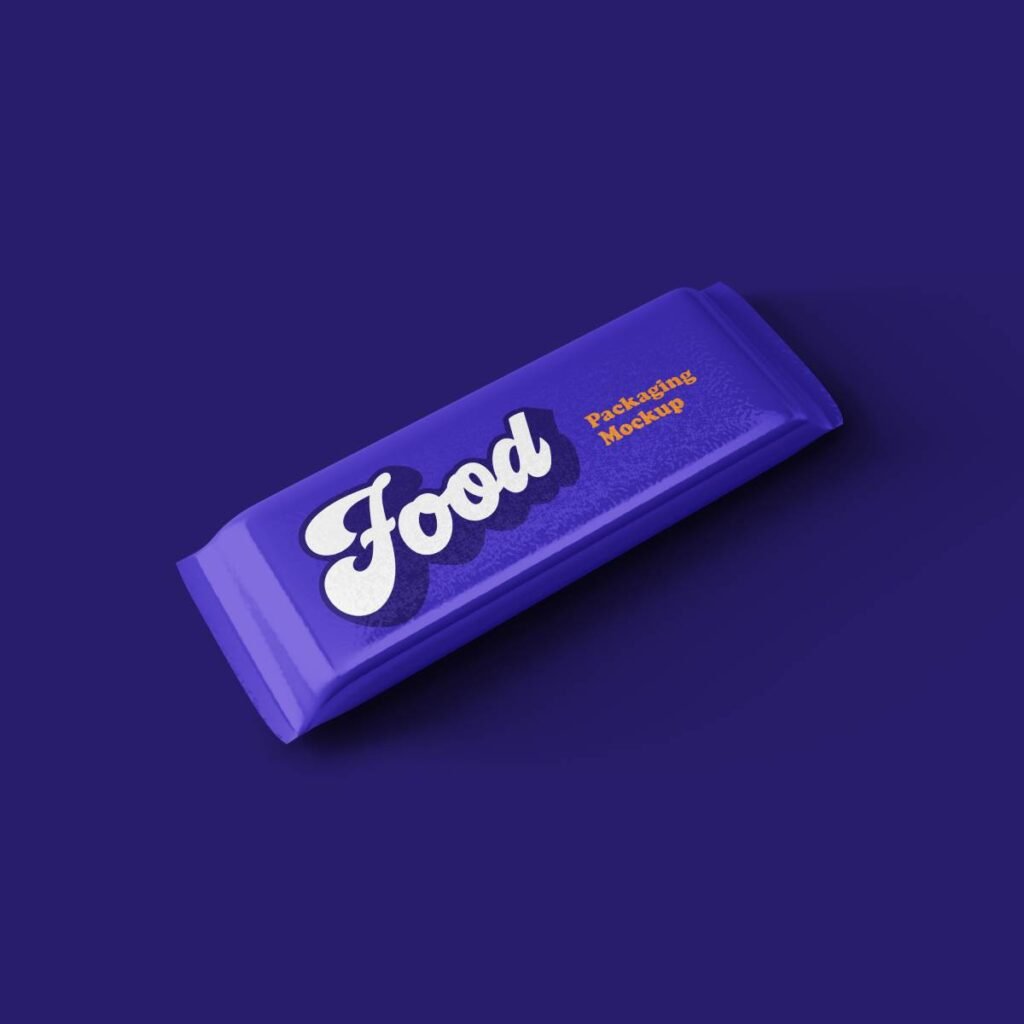
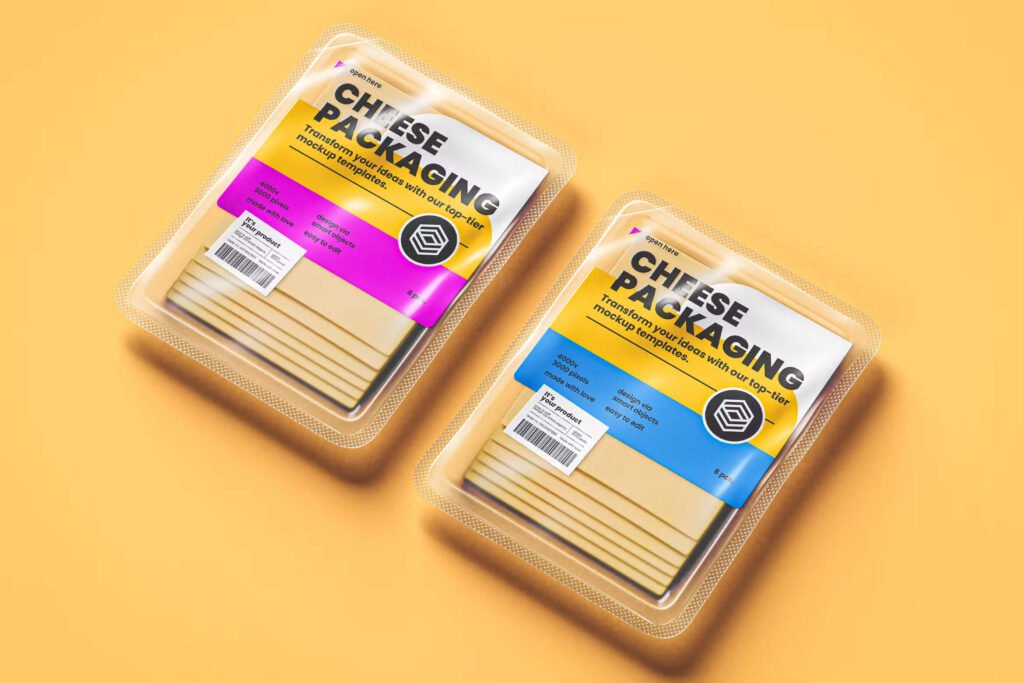
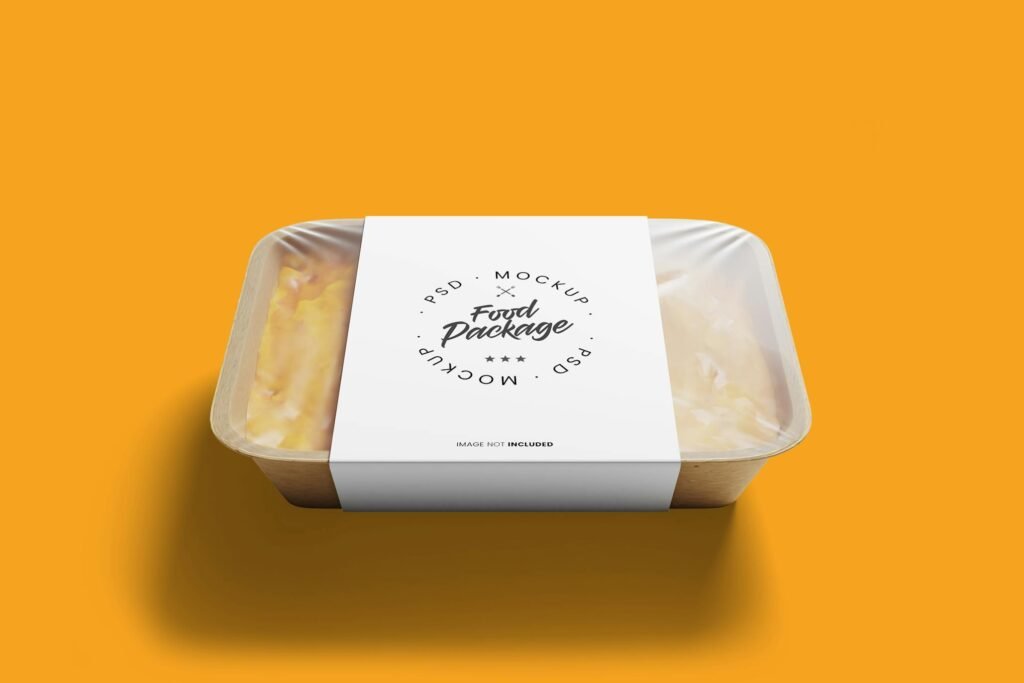
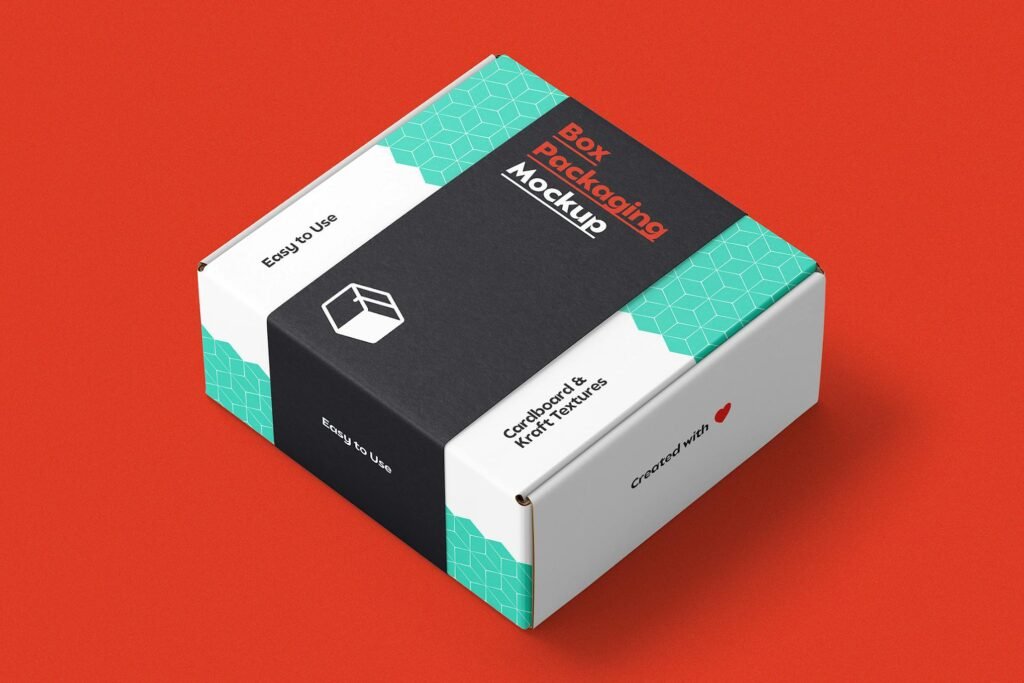
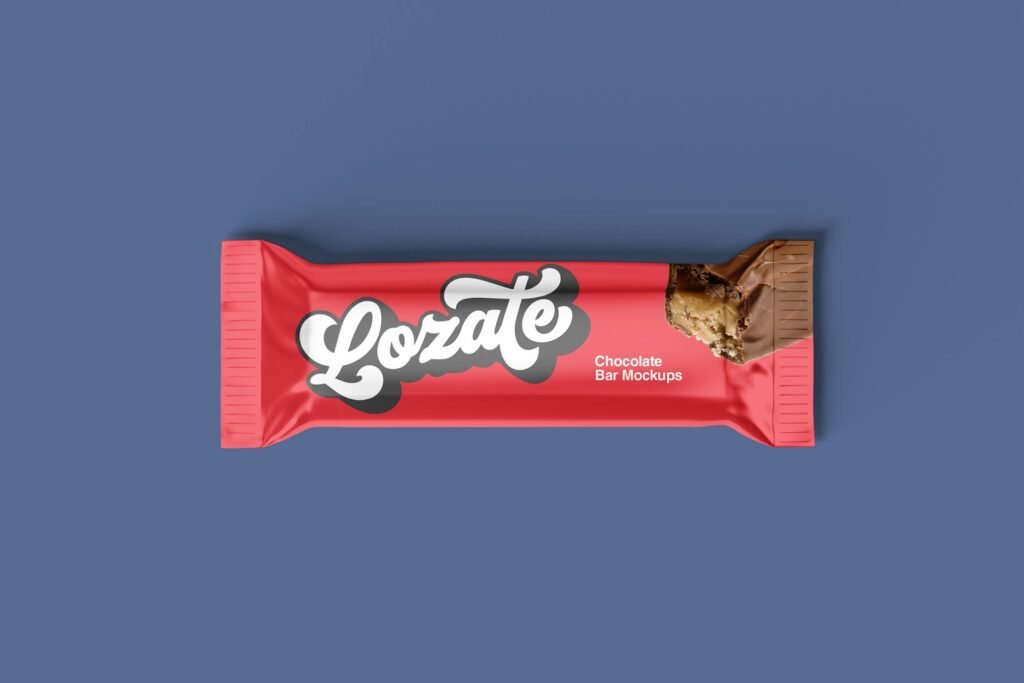
We redesign the packaging to help the brand stand out in a crowded category and connect more directly with today’s value-conscious, design-savvy shoppers. The new look will feel clean, modern, and premium — built around a confident color palette and refined typography that boosts recognition both on shelf and online. Structurally, we’re moving to a more sustainable, durable format that holds up through shipping while cutting down on unnecessary material. We’ll present three initial concept directions for review, refine based on feedback, and deliver production-ready files within four weeks — all with the goal of driving stronger shelf standout and measurable sales lift.
02
Branding Design
he project is about building a brand identity that feels distinct, memorable, and true to who we are — not just a logo, but a complete visual language that carries across packaging, digital, and print. The direction leans modern and confident, with a cohesive color palette, custom typography, and a visual style that’s instantly recognizable at a glance. Beyond aesthetics, the goal is consistency: every touchpoint, from the website to social media to physical packaging, should feel like it’s part of the same story. We’ll start with mood boards and initial concepts, narrow down based on feedback, and finish with a full brand guideline document covering logo usage, color codes, typography, and tone of voice — giving the team everything needed to apply the brand consistently going forward
03
Digital Branding
Beyond visuals, digital branding means defining tone of voice for captions, emails, and customer interactions, along with UI patterns — buttons, icons, motion — that reinforce the brand every time someone taps or scrolls. We’ll start with a digital audit and mood direction, move into concepts for key touchpoints (site, social templates, app UI), and land on a digital brand guideline covering assets, specs, and usage rules — so the team can execute consistently across every channel going forward.
04
SEO Optimization
The approach starts with technical SEO — site speed, mobile responsiveness, crawlability, and clean URL structure — since none of the content work matters if search engines can’t properly index the site. From there, on-page optimization targets title tags, meta descriptions, header structure, and keyword placement based on real search intent, not just volume. Content strategy plays a central role: identifying keyword opportunities, filling content gaps competitors haven’t covered, and building topic clusters that establish authority rather than one-off pages. Off-page efforts focus on earning quality backlinks and building domain authority through outreach and digital PR. Local SEO (Google Business Profile, citations, reviews) matters too if there’s a physical or regional presence. Success is tracked through organic traffic growth, keyword ranking improvements, click-through rate, and ultimately conversions — not just vanity metrics like traffic volume. Ongoing monitoring and iteration are key since search algorithms shift constantly.
05
Pro Website Design
professional website design goes beyond aesthetics — it’s built to load fast, work flawlessly across devices, and guide visitors toward a clear action, whether that’s a purchase, a signup, or a contact form. The process starts with defining site architecture and user flow, mapping out how visitors move from landing page to conversion with the fewest possible clicks. From there, the visual design layer applies a cohesive brand system — typography, color, imagery, and spacing — that feels premium and trustworthy at first glance.
Technical foundations matter just as much as visuals: clean code, fast load times, mobile responsiveness, and accessibility standards (WCAG compliance) all factor into both user experience and search rankings. Content is structured for scannability, with clear headlines, strong calls-to-action, and messaging that speaks directly to the target audience’s needs.
The build typically moves through wireframes, visual mockups, and interactive prototypes before development, followed by QA testing across browsers and devices. Post-launch, the site should be set up for easy content updates, analytics tracking, and ongoing performance monitoring — so it keeps improving rather than going stale the moment it ships.
06
Market Analysis
A market analysis lays the groundwork for informed business decisions by examining the industry landscape, target customers, and competitive environment. It starts with industry overview and trends — market size, growth rate, and where the industry is headed — followed by a deep dive into target audience: who they are, what they need, and how they currently solve that need. Competitive analysis identifies direct and indirect competitors, mapping their strengths, weaknesses, pricing, and positioning to reveal gaps in the market worth pursuing. This often includes a SWOT analysis (strengths, weaknesses, opportunities, threats) to clarify where the business stands relative to the field. Customer insights round out the picture — buying behavior, pain points, price sensitivity, and preferred channels — often gathered through surveys, interviews, or existing data. The analysis concludes with actionable findings: where the opportunity lies, how to position against competitors, and what risks or barriers to entry exist. The end goal is a clear-eyed view of the market that informs strategy, whether that’s product development, pricing, marketing, or a broader business plan.
700k+
Our Clients and Brands
300k+
The Products Delivered
300k+
Amplify Happy Clients
300k+
Amplify Happy Clients
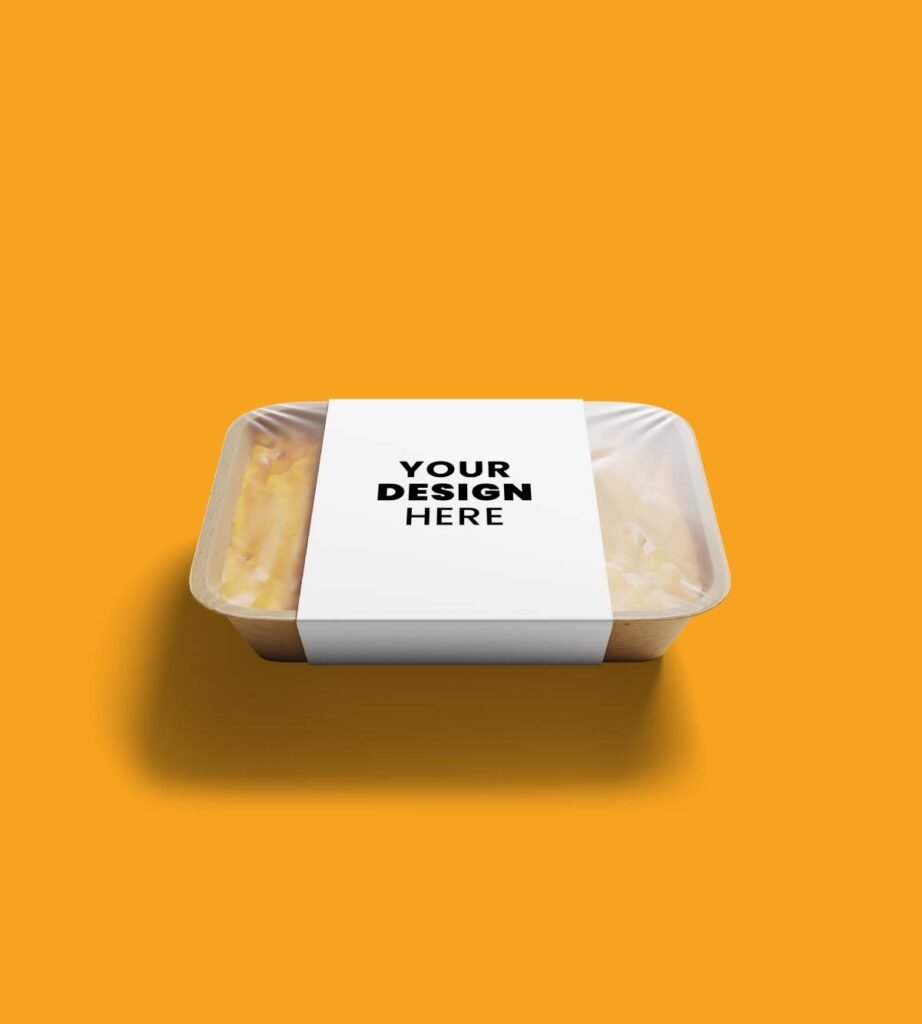
FOOD PACKAGE
Food Branding
FOOD PACKAGE
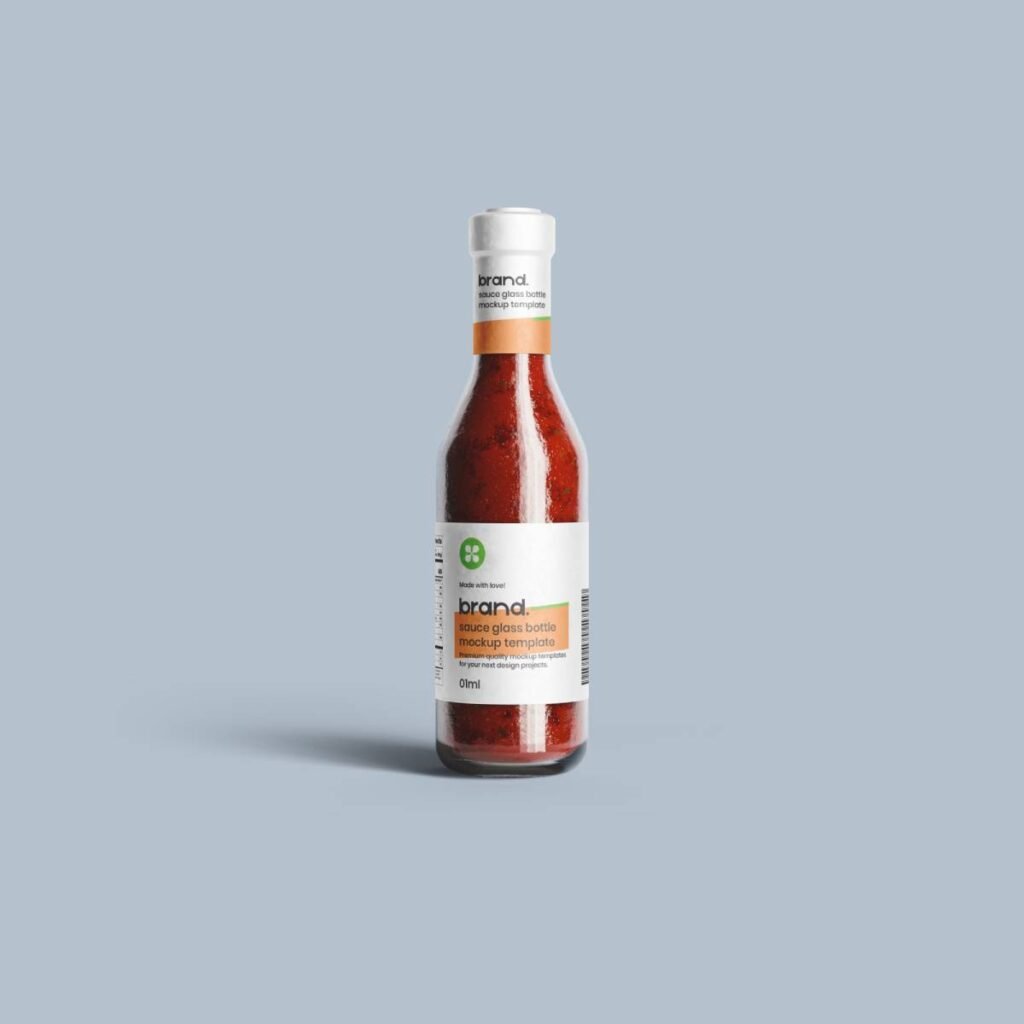
KETCHUP BOTTLE
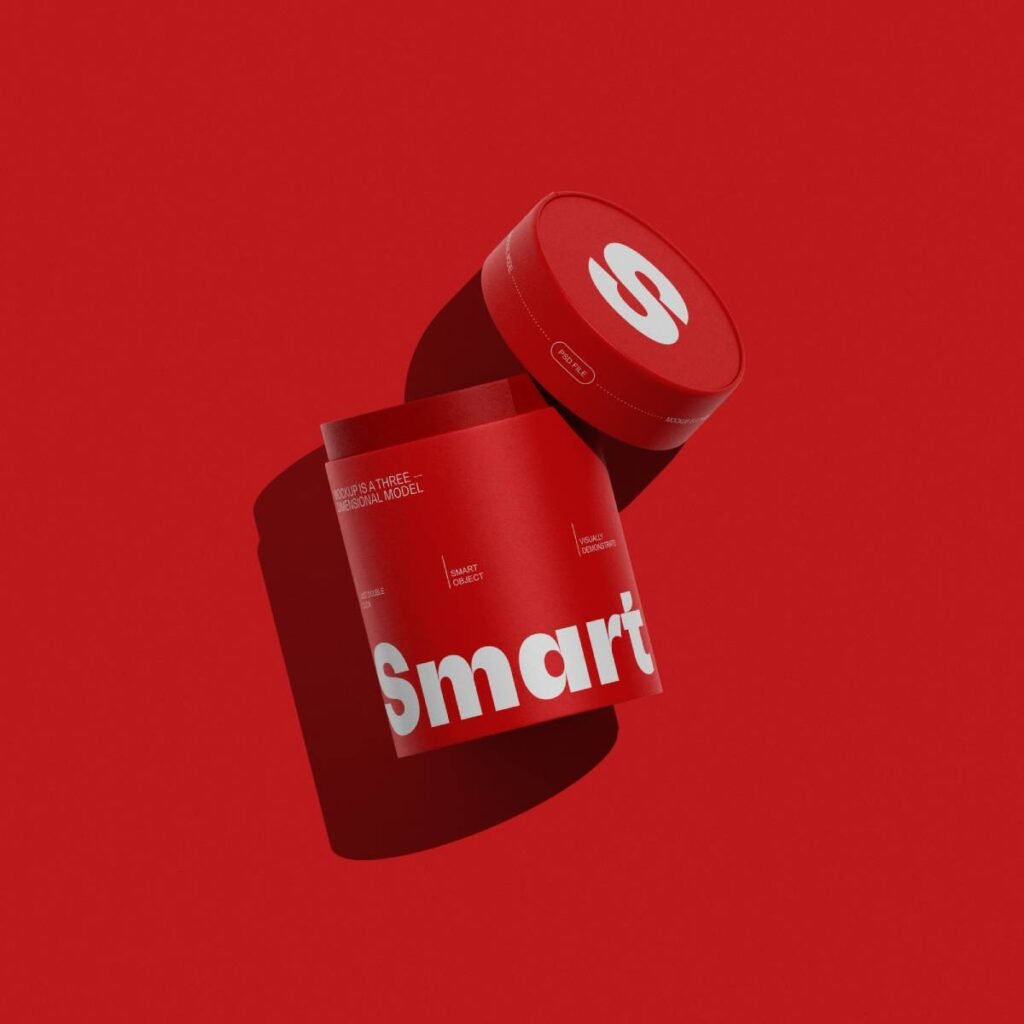
CUP PACKAGING
Every business we work with is different — different goals, different customers, different challenges. So we don’t hand out cookie-cutter playbooks. We build strategies around your business, then stay close to the data to keep sharpening what’s working and fixing what isn’t.